
How To Select The Best Food For Your Dog
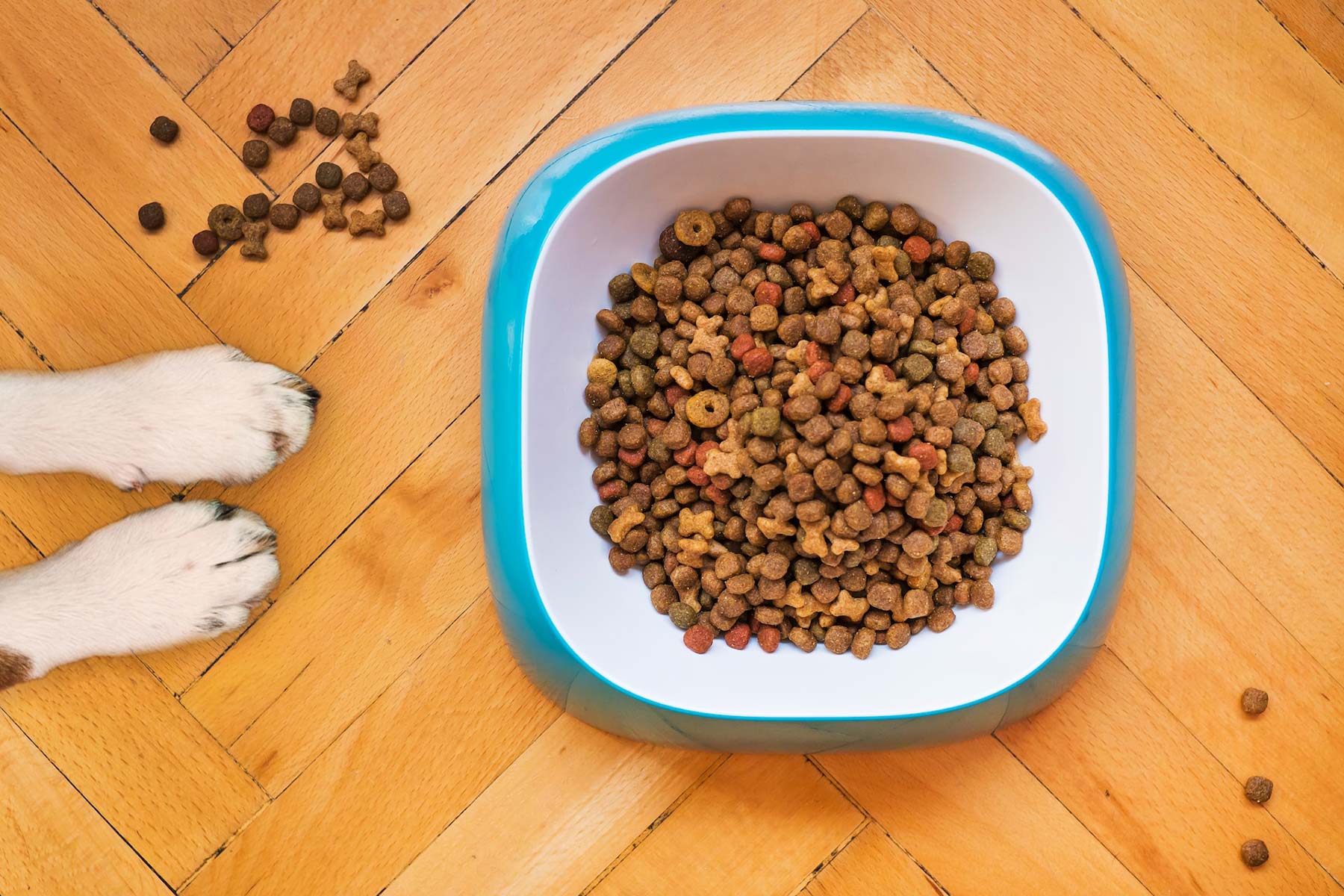
Selecting the best food for your dog can be a time consuming and complicated process so we’ve compiled a list of things to consider when browsing your local pet store or dog food provider.
What are the most popular dog foods in Australia?
Some of the most popular brands of dog food in Australia include Royal Canin, Hill’s Science Diet, Advance, Black Hawk, and Purina. However, dog owners’ preferences for brands may vary based on their dogs’ individual dietary needs and preferences.
In Australia there are also now numerous smaller brands that claim to have better quality and more nutritious dog food than the larger brands, often operating solely online and delivering direct to your door. We’ll dig deeper on these smaller brand Australian-made dog foods shortly.
What is the best dog food for a puppy?
Age-appropriate: Puppies have different nutritional needs than adult dogs, so it’s important to choose a dog food that is specifically targeted for puppies.
High-quality ingredients: Look for a dog food that lists high-quality protein sources such as real meat, and avoids fillers such as corn and soy. Also, avoid dog foods that contain artificial preservatives, colors, or flavors.
Easily digestible: Puppies have sensitive stomachs, so choose a dog food that is easily digestible and promotes healthy bowel movements.
Budget: Of course, cost is always a consideration. While expensive dog foods may be made with higher quality ingredients, that’s not always the case. So, choose the most balanced option within your budget.
It’s important to consult with your veterinarian to choose the best dog food for your puppy’s nutritional needs.
What is the best food for an elderly dog?
As researched, many veterinarian’s recommend the following things to consider when deciding on the best foods for elderly dogs:
- High-quality senior dog food that is low in calories and rich in protein.
- Foods that are high in omega-3 fatty acids, like salmon, sardines, or flaxseed, can help reduce inflammation and promote healthy joints.
- Foods with a moderate amount of fibre can help maintain digestive health and prevent constipation.
- Soft foods or wet foods can be easier on their teeth and gums.
- Foods enriched with vitamins and antioxidants, such as vitamins C and E, can help support immune function and fight against age-related conditions.
It is always recommended to consult with your veterinarian before changing your dog’s diet. Switching between foods slowly over a few weeks is usually the least disruptive option for your dog.
Which dog foods are made in Australia?
- BlackHawk
- Ivory Coat
- Meals for Mutts
- Vetalogica
- Advance
- CopRice
- Royal Canin
- Pedigree
- Purina
- Glow
- Hill’s Science Diet
What factors should be considered when selecting a quality dog food?
As we know, selecting quality dog food is crucial for the overall health and well-being of your furry friend. Here are some important factors to consider when choosing the best dog food for your pet:
Ingredients: Check the ingredient list to ensure that high-quality protein sources (such as meat, fish, or poultry) are listed as the main ingredients. Avoid foods with excessive fillers like corn, wheat, and soy, as they offer little nutritional value.
Protein Content: Dogs are primarily carnivores, so a high protein content is essential. Look for foods with a protein content of around 20-30% or more, depending on your dog’s age, breed, and activity level.
Animal Source vs. Plant Source: Animal-based proteins are generally more beneficial for dogs than plant-based proteins. Ensure that the protein sources come from real meat or fish, rather than by-products or meal. Be environmentally aware when making decisions for your dog.
Nutritional Balance: The food should provide a balanced ratio of protein, fat, and carbohydrates. The specific ratios may vary based on your dog’s age, size, and activity level.
Fats and Oils: Healthy fats are important for skin, coat, and overall health. Look for sources like chicken fat, fish oil, or flaxseed, which provide omega-3 and omega-6 fatty acids.
No Artificial Additives: Avoid foods containing artificial colours, flavours, and preservatives. Natural preservatives like Vitamin E (tocopherols) are preferable.
Grain-Free vs. Grains: Grain-free diets have gained popularity, but recent concerns have arisen about their potential link to heart problems in certain breeds. Consult with your veterinarian before choosing grain-free options.
Life Stage Appropriateness: Different life stages (puppy, adult, senior) have different nutritional needs. Ensure the food is appropriate for your dog’s age and life stage.
Special Dietary Needs: If your dog has allergies, sensitivities, or specific health conditions, choose a food that addresses those needs. Your veterinarian can provide guidance.
Brand Reputation and Transparency: Choose brands with a good reputation for producing high-quality, well-researched foods. Brands that provide transparent information about sourcing and manufacturing processes are preferable.
Consult Your Veterinarian: Your veterinarian knows your dog’s specific needs and can provide tailored recommendations based on factors like breed, age, size, and health conditions.
Cost Consideration: While quality dog food might be more expensive, investing in your dog’s nutrition can contribute to their long-term health and potentially reduce veterinary bills down the line.
Remember that each dog is unique, and what works well for one might not suit another. Regularly monitor your dog’s health, energy levels, coat condition, and stool quality to ensure that the chosen food is meeting their needs effectively. If you decide to switch your dog’s food, do so gradually over the course of a week to minimise digestive upset.
Did you know?
As of September 2021, the pet food industry in Australia was estimated to be worth around $2.8 billion AUD annually. It’s big business and many companies make a huge profit on pet food sales, which is why it’s important to do your research to ensure that you’re purchasing and feeding a quality product and not just getting caught up in the fancy advertising claims.



Find Professional Pet Photographers in Sydney, Melbourne & Brisbane

Whatever life stage your pet is at, your local pet photographer will have the perfect package to suit your furry friend!